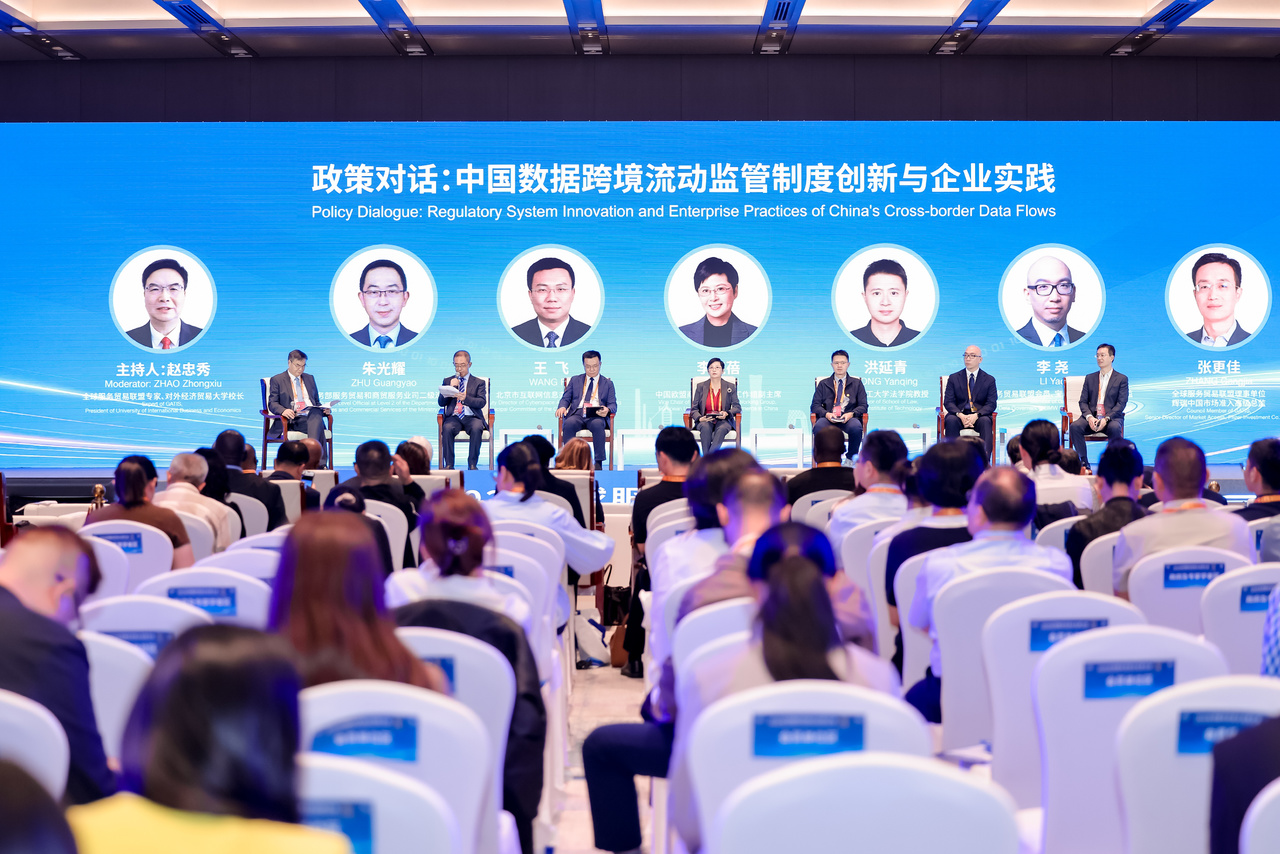



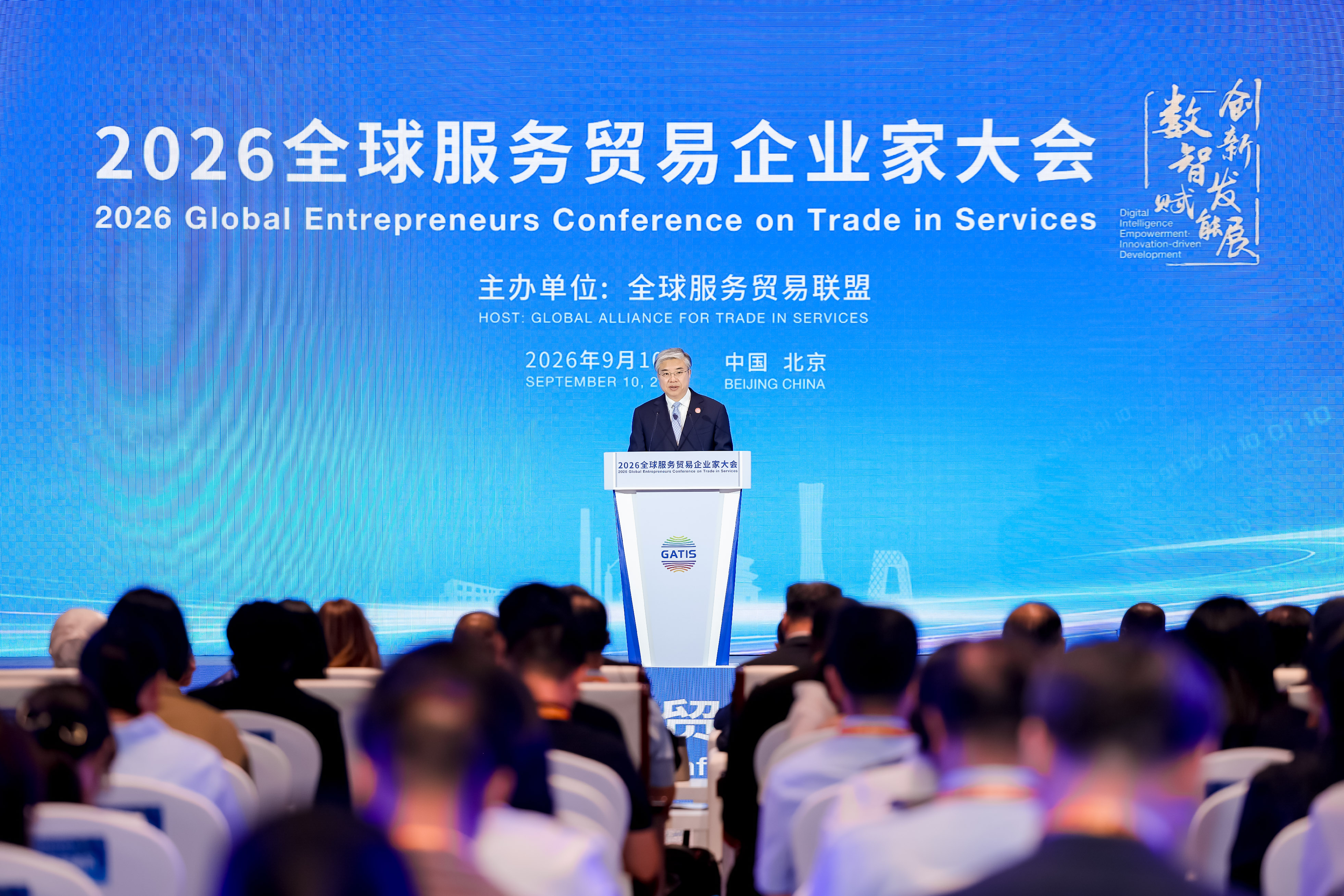
The 2026 Global Entrepreneurs Conference on Trade in Services, hosted by the Global Alliance for Trade in Services (GATIS), was held on the morning of September 10 at Shougang Park in Beijing. As the fifth consecutive edition of the summit organized by GATIS, it has become a signature thematic forum of the China International Fair for Trade in Services (CIFTIS). Themed around a clear focus and featuring a rich program, this year's summit attracted more than 500 high-level representatives from government departments, diplomatic missions in China, relevant international organizations, international and domestic business associations, Fortune Global 500 companies, industry-leading enterprises and GATIS member organizations, both online and in person. The summit also delivered a range of outcomes.
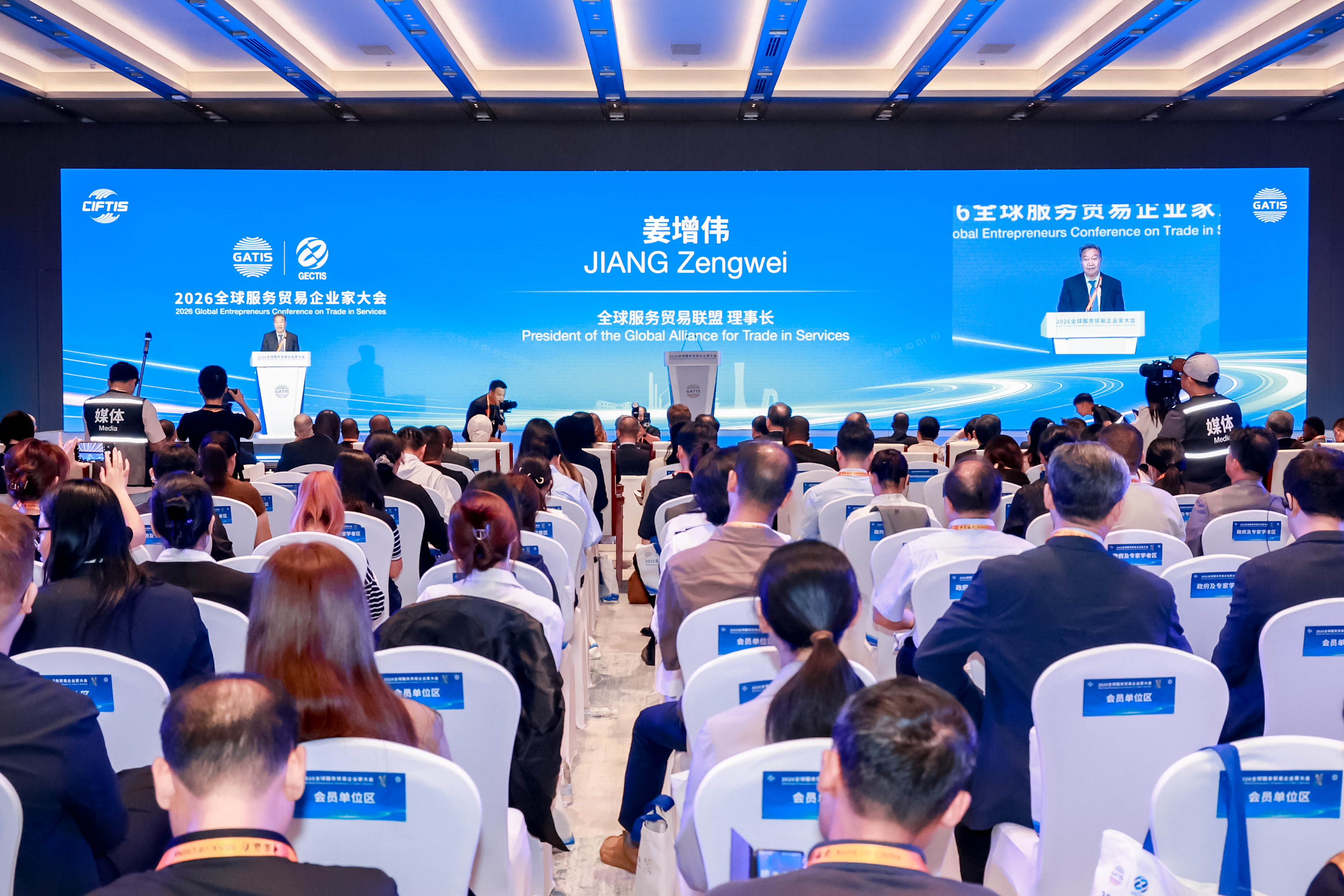
The summit was themed "Digital Intelligence Empowerment · Innovation-driven Development" and featured four sessions: opening remarks, results releases, keynote speeches and policy dialogue. In his opening remarks, Jiang Zengwei, President of the Global Alliance for Trade in Services, said that trade in services, one of the most dynamic components of international trade and economic cooperation, has become an important engine of global economic growth and trade development. In particular, the digital and intelligent transformation of trade in services has emerged as a core force reshaping the global trade in services landscape. Focusing on how digital and intelligent technologies can empower trade in services, the summit brought together participants to explore new models of service innovation, new trends in industry development and new rules for data governance, with the aim of pooling expertise, building consensus and promoting digital and intelligent innovation in trade in services. Tang Wenhong, Vice Mayor of Beijing, delivered remarks at the summit and introduced the Implementation Plan for Expanding Capacity and Improving Quality of Modern Service Industry in Beijing Municipality (2026‑2030).. The plan calls for greater integration of the service industry with the development of the capital's functions, advanced manufacturing, improvements in people's livelihoods and urban governance. It also focuses on key areas of the modern service industry and promotes the expansion of capacity and improvement of quality on an industry-by-industry basis. The plan aims to promote the specialization and expansion of producer services toward the high end of value chains, while advancing high-quality, diversified and convenient consumer services. These measures underscore Beijing's determination to accelerate the development of a modern service industry system with global influence. They also strengthen measures to expand high-level opening-up in Beijing's service industry and provide market players with clear guidance on participating in the expansion and upgrading of the city's modern service industry. Irakli Nadareishvili, Deputy Minister of Economy and Sustainable Development of Georgia, delivered remarks, while Dorothy Tembo, Deputy Executive Director of International Trade Centre, addressed the summit by video.
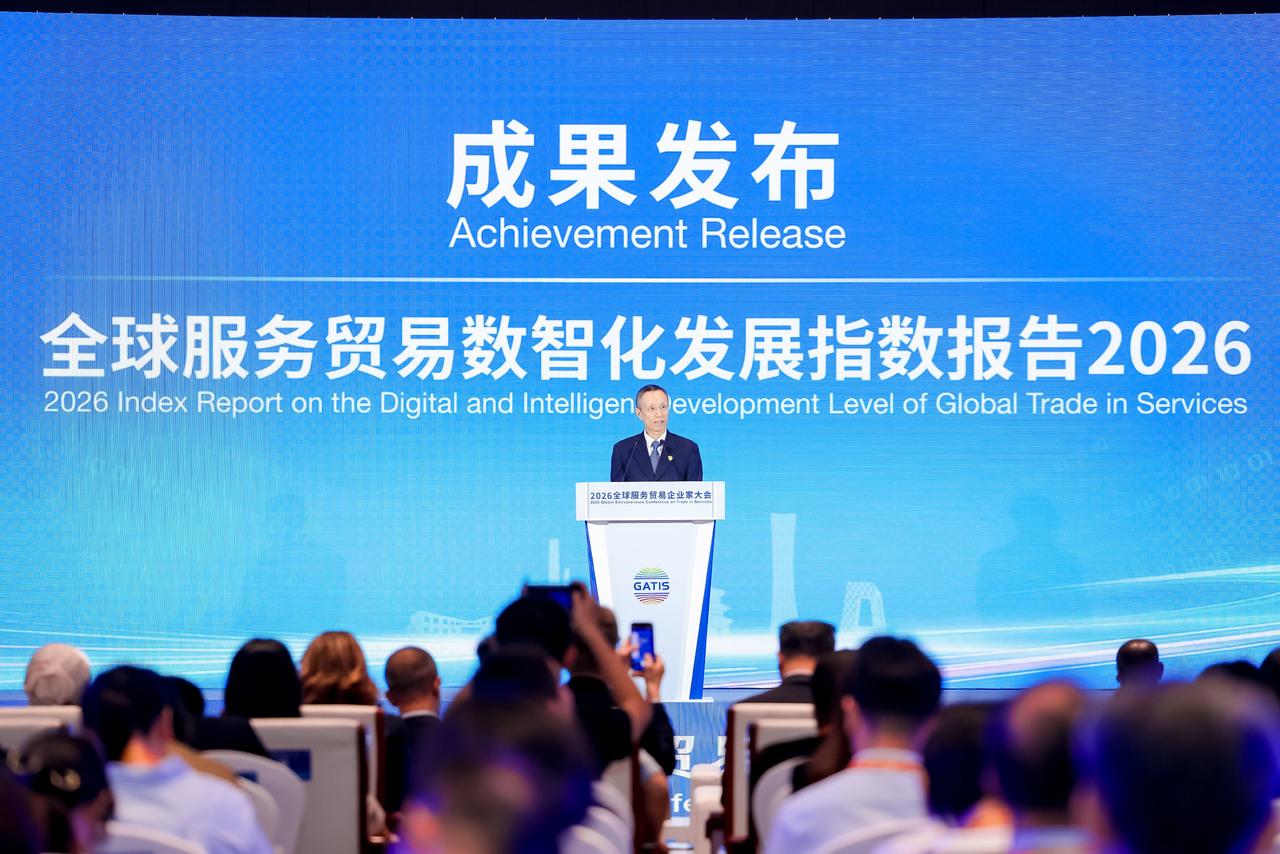
During the results release session, GATIS released its latest research report, 2026 Index Report on the Digital and Intelligent Development Level of Global Trade in Services. The report is the first to provide an innovative interpretation of the concept and scope of the digital and intelligent development of trade in services, the first to systematically analyze the major factors influencing such development, and the first to establish an evaluation system for measuring the digital and intelligent development of trade in services. It also marks the first application of the system to measure and analyze the digital and intelligent development of trade in services across 60 major economies from 2020 to 2024. The report provides guidance for market players seeking to accelerate their digital and intelligent transformation. It also offers a reference for economies to accurately assess their position, strengths and weaknesses in the global digital and intelligent trade in services landscape. In addition, it provides practical experience for the international community in addressing data governance challenges and jointly building and improving the international trade governance system. A number of key projects signed during preparations for CIFTIS were also announced. GATIS and the United Nations Conference on Trade and Development (UNCTAD) signed a memorandum of understanding to establish a structured partnership. GATIS and the University of International Business and Economics signed a cooperation agreement to collaborate on think tank research, talent development, industry application and events, strengthening links among industry, academia and research. GATIS members also signed a number of cooperation projects. In addition, the summit released 10 service demonstration cases from member organizations, showcasing innovative practices and achievements in trade in services.
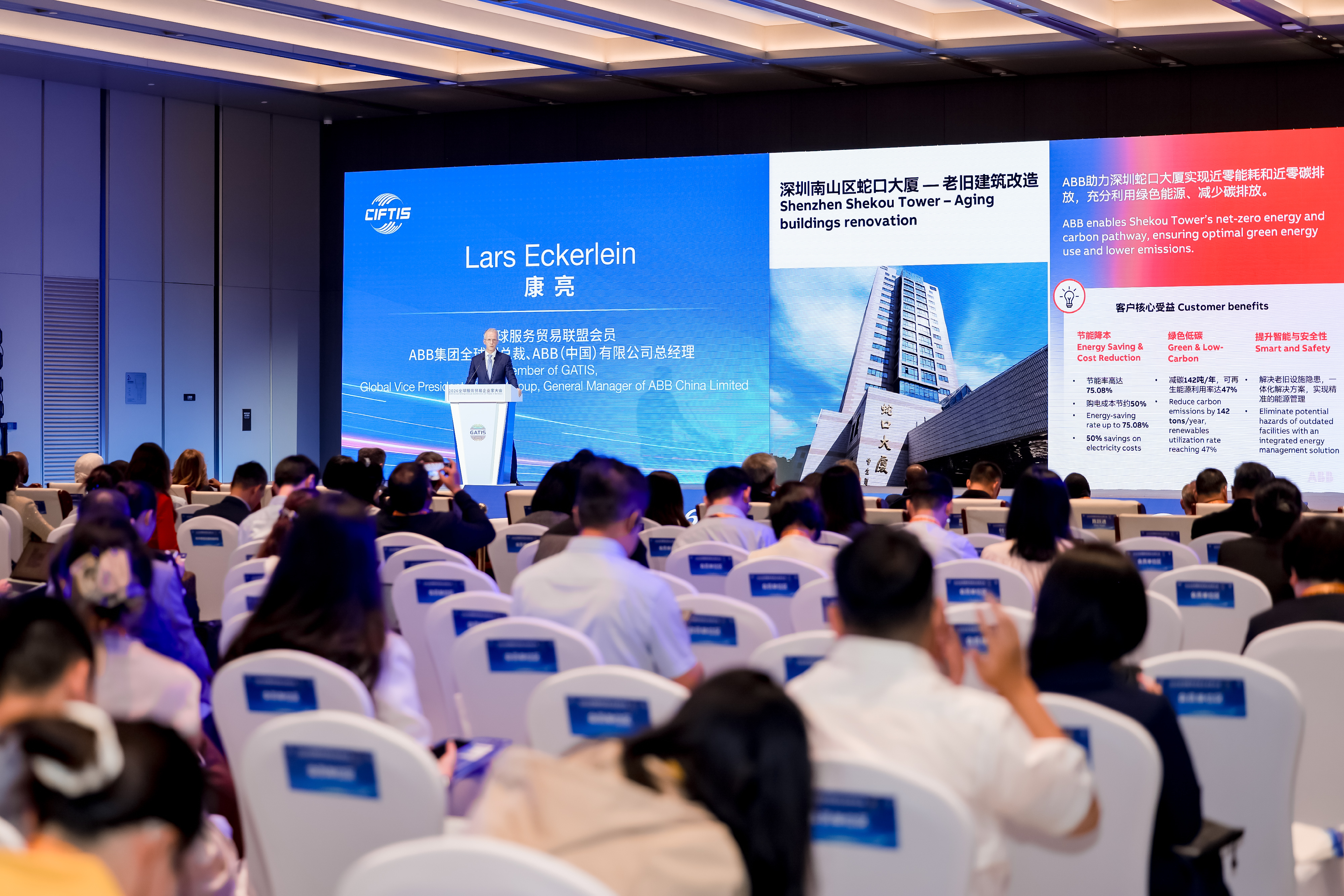
During the keynote session, Luz María de la Mora, Director of Division on International Trade and Commodities, UNCTAD, delivered a keynote speech. She said that the service industry is playing an increasingly important supporting role in the global economy, while digital technologies such as artificial intelligence are profoundly transforming the way trade in services develops. Global digital trade rules are evolving rapidly and becoming increasingly complex. Deeper multilateral international cooperation can help companies seize the opportunities brought by digital and intelligent transformation while avoiding regulatory barriers. Senior executives from ABB China, Qualcomm, Deloitte China, China Pacific Insurance and Globalwits, representing GATIS council or member organizations, shared practical cases and the positive impact of digital and intelligent technologies in driving innovation and development in trade in services. Drawing on global industrial transformation trends and their own business practices, they also discussed new trends in digital and intelligent development and new opportunities for cooperation, offering diverse perspectives and practical insights for the industry.
During the policy dialogue session, six guests from the Department of Trade in Services and Commercial Services of the Ministry of Commerce, the Beijing Municipal Cyberspace Administration, the European Union Chamber of Commerce in China, Beijing Institute of Technology, BMW China and Pfizer China discussed key issues concerning innovation and practice in China's regulatory framework for cross-border data flows. They shared perspectives from government regulation, the concerns of industry associations, think tank research and the practical experience of multinational companies. Their discussion covered the current development of China's framework for cross-border data flows, policy innovation, companies' needs and compliance practices related to cross-border data flows, and the role of data as a factor of production in driving the development of trade in services. The speakers put forward clear views and addressed companies' concerns and practical challenges directly. They also provided on-site guidance on policy and business practices. The discussion offered highly practical guidance for companies seeking to expand cross-border data activities and provided a basis for government departments to improve relevant regulations and policies.